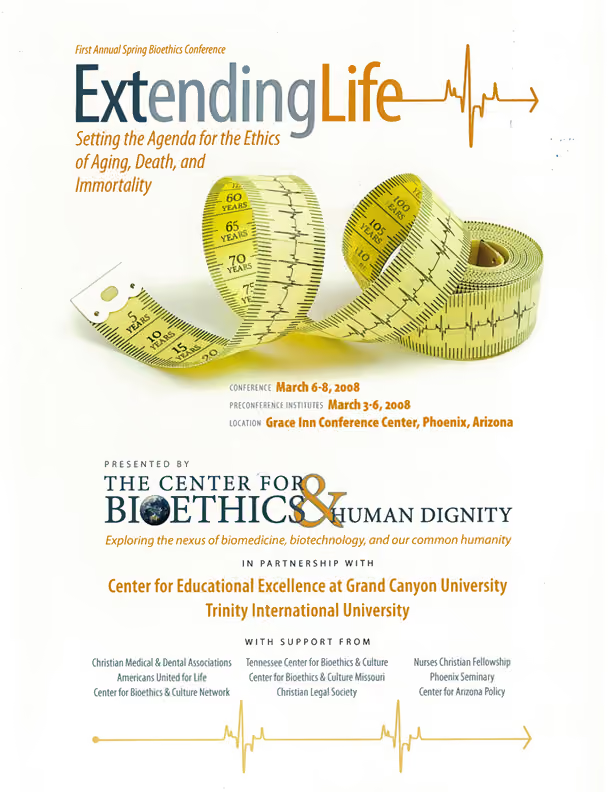
Our society stands at a critical point in history, a time in which changing attitudes toward belief systems, epistemology, health care technology, practice and financing, and political assumptions and structures will profoundly affect the elderly and how we think about and approach aging. The decisions we make now will have consequences that will determine the course of the next one to two hundred years. This lecture is a thought experiment, a speculation concerning one possible outcome from the confluence of these many changes, with the goal to challenging us all to carefully consider the assumptions we presently hold and the decisions necessarily forced upon us as individuals and as a society.